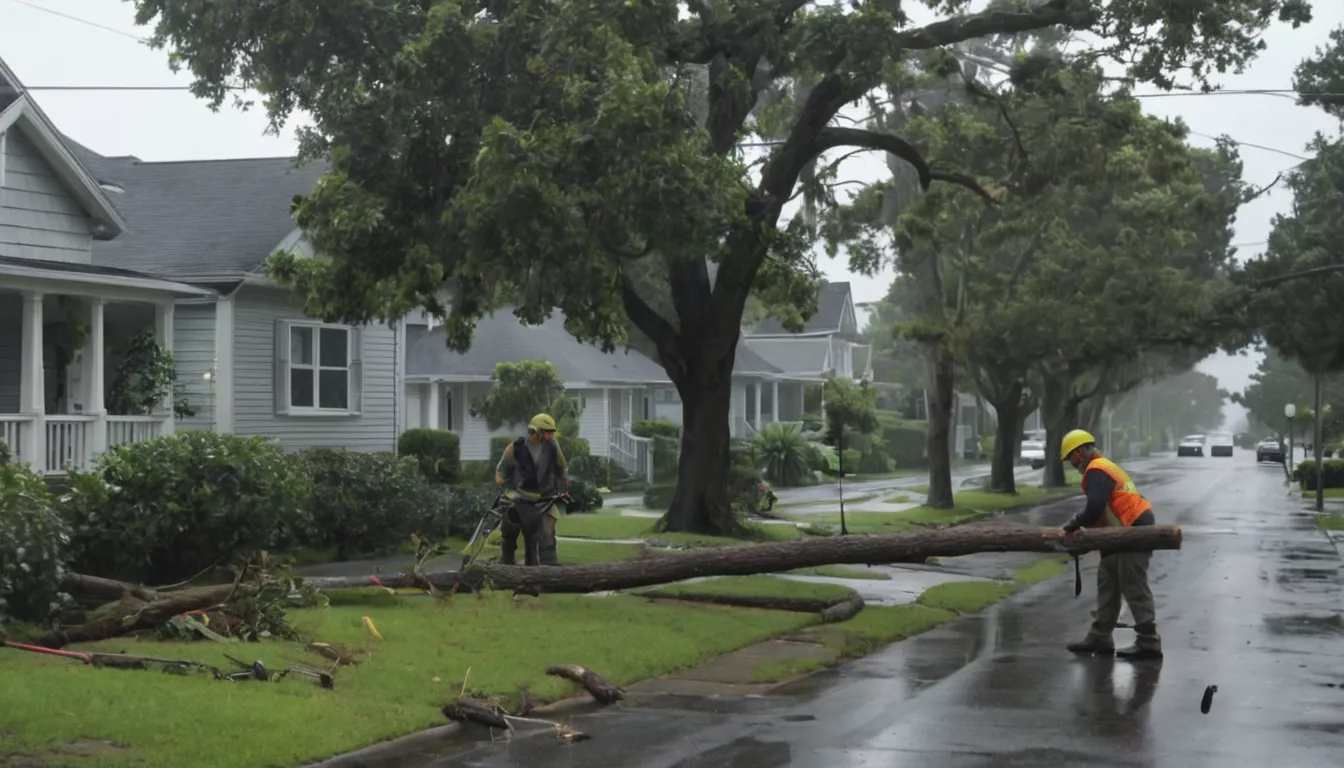
Need tree removal in Woodbury?
Ready to talk it through? Request a callback to check provider availability, or send an estimate request with your photos and notes.
No obligationA tree that leans, splits or crowds your home is a decision you should not make in a rush. Iijim Tree Service is a referral service. We connect homeowners with independent local providers who do the cutting, hauling and cleanup. The providers do the work. We help you start in an organized way.
Before you ask for estimates, take clear photos and write a few notes. Show the whole tree, the trunk base, and anything it could hit. With that paperwork, each provider can quote the same job. You can then compare the quotes side by side and choose with no pressure and no obligation.
Every removal begins with one tree and a few questions. How big is it? What is near it? Is it healthy, sick or damaged? Your answers shape the plan and the price.
Walk around the tree first. Look up, look at the base, and look at what sits below the branches. Then take photos before you contact anyone.
Some trees can wait for a calm quote process. Others cannot. Sort yours into one of the two groups below.
If you see these, keep people and cars away. Request a callback to check provider availability, and mention that the tree is a safety risk. If a wire is involved, stay back and contact your utility.
These jobs give you time to gather quotes. Time is useful, because it lets you compare.
Most removals come from a few common causes. Disease and decay are near the top. Roots that push on a foundation or a drain line are another. Older homes with stone or block foundations can be sensitive to this. Some people want more light, a safer yard or room for an addition.
Snow load and ice also stress limbs over the years. A tree that looked fine in autumn may look rough after a hard winter.
A provider visits, looks at the tree, and explains the approach. Then they send a written quote. After you accept, they schedule the work based on their calendar and the weather.
When a tree stands close to a house, wires or a fence, crews often cut it in pieces. They lower each piece with ropes or lift it with equipment. This takes more time, and that time shows up in the price.
In a wide open yard, a provider may fell the tree in one direction. That can cost less. It only works when there is enough clear ground on every side.
Price follows effort and risk. Height, trunk width and tree condition matter. So does access. A tight backyard with no truck route takes longer than a front lawn. Hazards near the tree, like roofs and lines, add care and cost. Debris hauling and wood chipping also change the total.
Ask each provider to list what is included. A short quote can hide extras.
Stump grinding is often priced apart from removal. Some quotes include it, and some do not. Decide early whether you want the stump ground down, and ask every provider to price it the same way. Otherwise you are comparing two different jobs.
Some towns require a permit for certain trees, especially large ones, street trees or trees in protected areas. Rules differ from place to place. Check with your local municipality before work starts. Providers in our network can often tell you what they usually see, but the final answer comes from your town.
This is where paperwork-ready homeowners save time and stress. Keep a simple folder, on paper or on your phone.
Some policies may cover sudden damage, so check your policy. Providers can often help document damage for a claim.
Lay your quotes side by side. Check the scope, the cleanup, the stump work and the payment terms. Ask how the provider handles insurance and property protection. A fair quote is clear, not just cheap. You can say no to any of them.
Move cars out of the driveway. Clear patio items, toys and lawn furniture. Tell neighbors that work is coming. Keep pets inside. Mark sprinkler heads or buried lines if you know where they are.
Walk the site with the provider. Check that the cleanup matches your quote. Take after photos and add them to your folder. Then decide what to do with the open space: new planting, grass or a patio.
After a coastal storm or heavy snow, other limbs may be weakened. Storm tree clearance can be part of a bigger cleanup, so ask providers to look over the rest of the yard too.
A local provider looks at the tree, the access and the hazards, then explains the approach before quoting.
You receive a quote in writing that lists the scope, so you can compare providers fairly.
The provider cuts and lowers the tree in a way that suits the space around it.
Branches and logs are hauled or chipped, based on what your quote says. Ask about stump grinding.
These are typical U.S. ranges, and real prices vary by tree, access and location. Use them to spot a quote that looks far off, then get a written quote for your own job.
| Item | Typical range | Notes |
|---|---|---|
| Small tree removal | $150 – $500 | Under about 30 feet, easy access |
| Medium tree removal | $400 – $1,200 | Common yard trees, moderate access |
| Large tree removal | $1,000 – $3,000+ | Tall trees, tight spaces, more rigging |
| Stump grinding | $100 – $500 | Depends on stump width and roots |
| Debris hauling | $75 – $400 | May be included in some quotes |
| Permit fees | $0 – $200 | Varies by town and tree type |
Photograph the whole tree, the trunk base and anything nearby it could affect.
Note the size, location, damage and your goals, including whether you want the stump ground.
Contact providers in our network and share the same photos and notes with each one.
Review the written quotes side by side, ask questions, and pick the provider that fits.
Seeing several written quotes side by side helps you understand what is fair for your job.
Photos and notes help each provider quote the same job clearly.
Independent providers in your area know local conditions, from snow to soil.
Request an estimate, compare, and choose with no obligation.
Ready to talk it through? Request a callback to check provider availability, or send an estimate request with your photos and notes.
No obligationTypical U.S. prices run from about $150 for a small tree to $3,000 or more for a large one. Size, access, hazards and cleanup all change the price, so get a written quote.
It depends on your town. Some places require permits for large, protected or street-side trees. Check with your local municipality before work begins, and ask providers what they usually see.
Some policies may cover sudden damage, such as a tree that falls on your house. Removal of a healthy or dying tree is often not covered. Check your policy, and keep photos and quotes. Providers can often help document damage for a claim.
Ready to talk it through? Request a callback to check provider availability, or send an estimate request with your photos and notes.
No obligation